Quick answer
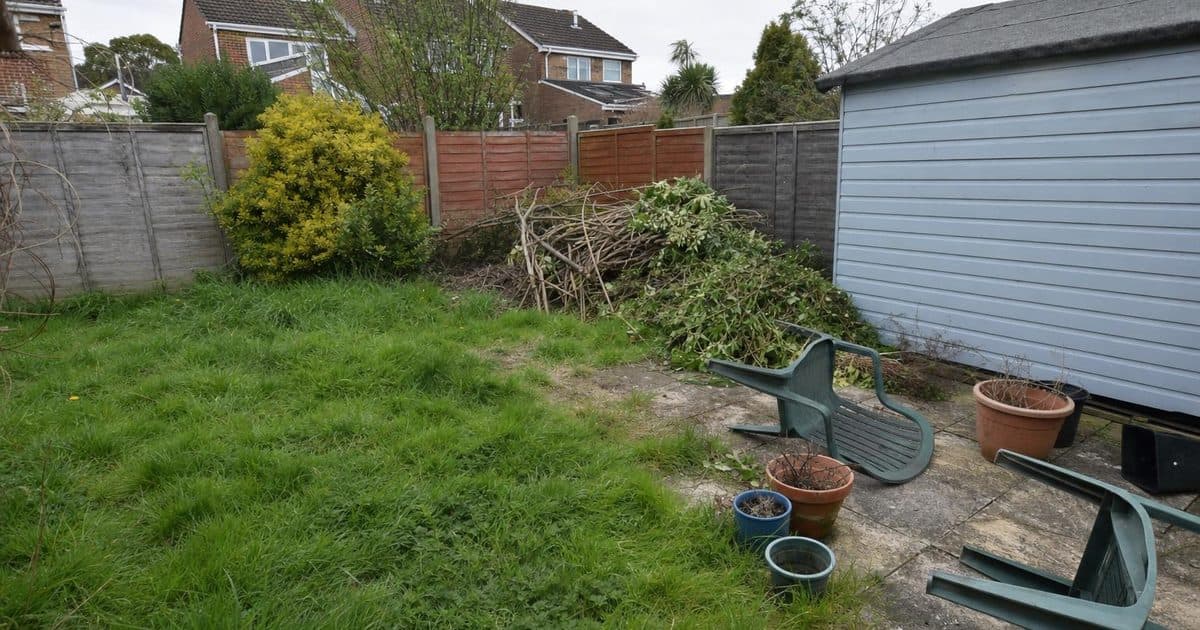
Garden clearance can cover branches, hedge cuttings, leaves, broken furniture, old planters and general outdoor junk. To prepare, move any items you want to keep, make access clear and separate hazardous materials or heavy waste if possible.
What garden clearance in Fareham can cover
Garden clearance is often used when outdoor spaces have become cluttered, overgrown or difficult to use. In Fareham, that might mean a small town garden that needs a tidy-up after winter, or a larger property where years of cuttings, broken items and stored materials have built up.
The exact work depends on the garden and what you want removed. Some jobs are mostly green waste, while others include old furniture, sheds, fencing parts or mixed rubbish left outside over time. A clear brief helps everything run more smoothly.
Items that are usually removed
Most garden clearance jobs focus on safe, manageable items that can be lifted out and taken away without major work. Common examples include cut vegetation, lightweight outdoor items and general clutter that has been left in the garden.
Green waste and organic material
Green waste is one of the most common parts of a garden clearance. This usually includes branches, hedge trimmings, grass cuttings, weeds, leaves and prunings. If a border has been neglected or a hedge has grown too far, this can quickly add up.
You can also mention soil, turf and old compost if these need removing. These materials are heavier than they look, so it helps to flag them early if there is a large amount to clear.
Outdoor furniture and hard waste
Many Fareham gardens also contain hard waste that no longer serves a purpose. This can include broken garden chairs, rotten tables, damaged plant pots, cracked ornaments, old BBQs, plant supports and children’s outdoor toys.
If you have bigger items such as sheds, fencing panels or timber structures, these may need a separate plan. For more involved timber removal, a service such as Shed Clearance can be helpful, and in some cases a more structural job may overlap with Shed Demolition.
What needs extra thought before removal
Some items in a garden are better handled with extra care or a bit more preparation. That does not necessarily mean they cannot be removed, but it does help to identify them before the team arrives.
- Paint tins, chemicals and other containers with unknown contents.
- Soil bags, paving slabs and other heavy materials.
- Broken glass, sharp metal and splintered timber.
- Electrical items such as garden lights, extension reels or appliances left outside.
- Mixed waste hidden in sheds, corners or under tarps.
If you are not sure whether something should be included, it is usually best to point it out in advance. That gives the clearance team time to plan the right approach and avoids delays on the day.
How to prepare your garden for clearance
A little preparation can make the visit quicker and reduce the chance of anything being missed. You do not need to tidy the whole garden beforehand, but a few simple steps can make a big difference.
Make access clear
Try to leave a clear route to the garden, side passage or back gate if there is one. Move parked cars, bins, toys or bikes if they block entry. If access is through the house, make sure the route is suitable for carrying items safely.
It also helps to open gates and unlock any areas that need to be reached. If there are narrow paths, steep steps or uneven ground, let the team know before arrival so they can plan accordingly.
Separate keeps from clearance items
Anything you want to keep should be moved out of the way before the clearance begins. This includes plant pots, tools, children’s items, ornaments, outdoor heaters and furniture you still want to use.
If possible, group items to keep in one spot and place clearance items in another. That makes it easier to cheque what goes and what stays, especially if the garden is full or overgrown.
| Before the clearance | Why it helps |
|---|---|
| Clear access routes | Speeds up loading and makes movement safer |
| Move items you want to keep | Reduces the chance of anything being taken by mistake |
| Point out heavy or awkward waste | Helps the team bring the right equipment and allowance |
A simple way to plan the job
The easiest way to arrange garden clearance is to walk around the space and note the main piles or problem areas. Think about what is green waste, what is broken outdoor furniture, and what might need more time or labour to remove.
If the garden has become part storage area and part dump zone, it can help to send photos before the visit. That makes it easier to judge the amount of waste and work out whether anything special is involved. For mixed rubbish that is not purely garden waste, Rubbish Removal may also be useful.
For homeowners dealing with a wider clean-up around the property, related services such as Garden Clearance, Garage Clearance and House Clearance can sometimes be combined to save time and keep the job organised.
If the waste includes timber offcuts, broken fencing or material left after outdoor building work, Construction Waste or Domestic Waste Removal may be more suitable depending on what is being cleared.